Wound Care CPT Code: Complete Medical Billing Guide for Accurate Reimbursement
Medical Billing professionals know that wound care services can become challenging when coding and documentation are not handled correctly. Every wound treatment requires proper code selection, clear documentation, and accurate claim submission. Understanding the right wound care CPT code helps providers receive appropriate reimbursement while reducing denials and compliance risks.
Many healthcare practices struggle with wound care coding because several codes may appear similar but represent different levels of service. From CPT 97597 to advanced wound debridement procedures, choosing the correct code depends on wound depth, tissue removed, wound size, and clinical documentation.
This guide covers everything you need to know about wound care CPT codes, common billing challenges, coding guidelines, reimbursement considerations, and practical tips that can help healthcare providers and Medical Billing teams improve claim accuracy.
Why Wound Care Coding Matters
Wound care treatment is performed in hospitals, physician offices, outpatient centers, skilled nursing facilities, and specialized wound clinics. Since wound conditions vary significantly, coding accuracy becomes extremely important.
Proper wound care coding helps healthcare organizations:
| Benefit | Impact |
|---|---|
| Accurate reimbursement | Reduces revenue loss |
| Fewer claim denials | Improves payment speed |
| Better compliance | Reduces audit risk |
| Cleaner documentation | Supports medical necessity |
| Improved workflow | Saves staff time |
Incorrect coding can lead to underpayments, overpayments, claim rejections, and payer audits.
Understanding Wound Care CPT Code Basics
A wound care CPT code represents a specific wound treatment service performed by a healthcare provider.
The selected code depends on several factors:
- Type of wound
- Depth of wound
- Total wound surface area
- Tissue removed
- Treatment method
- Documentation provided
Many coders mistakenly focus only on wound size. In reality, documentation must support every element of the service.
Most Common Wound Care CPT Codes

The following table includes some of the most frequently reported wound care procedure codes.
| CPT Code | Description |
| 97597 | Selective wound debridement first 20 sq cm |
| 97598 | Each additional 20 sq cm |
| 11042 | Debridement of subcutaneous tissue |
| 11043 | Debridement of muscle or fascia |
| 11044 | Debridement of bone |
| 97602 | Non selective wound care management |
These wound care CPT codes are commonly used in outpatient and physician practice settings.
CPT 97597 Explained
Among all wound care procedure codes, CPT 97597 is one of the most frequently billed.
This code applies when a provider performs selective debridement using methods such as:
- Scissors
- Scalpel
- Forceps
- High pressure waterjet
The service includes removal of:
- Fibrin
- Slough
- Necrotic tissue
- Biofilm
Key Requirements for CPT 97597
| Requirement | Details |
| First wound area | Up to 20 sq cm |
| Debridement type | Selective |
| Documentation | Must support tissue removal |
| Medical necessity | Required |
Accurate documentation remains the foundation of successful reimbursement for CPT 97597.
CPT Code 97597 Documentation Requirements
Many claim denials occur because providers document the wound but fail to document the actual debridement work.
Documentation should include:
- Wound location
- Wound measurements
- Tissue removed
- Instruments used
- Patient response
- Medical necessity
- Progress toward healing
Without detailed records, payers may question the service and deny payment.
Wound Care Procedure Codes Based on Tissue Depth
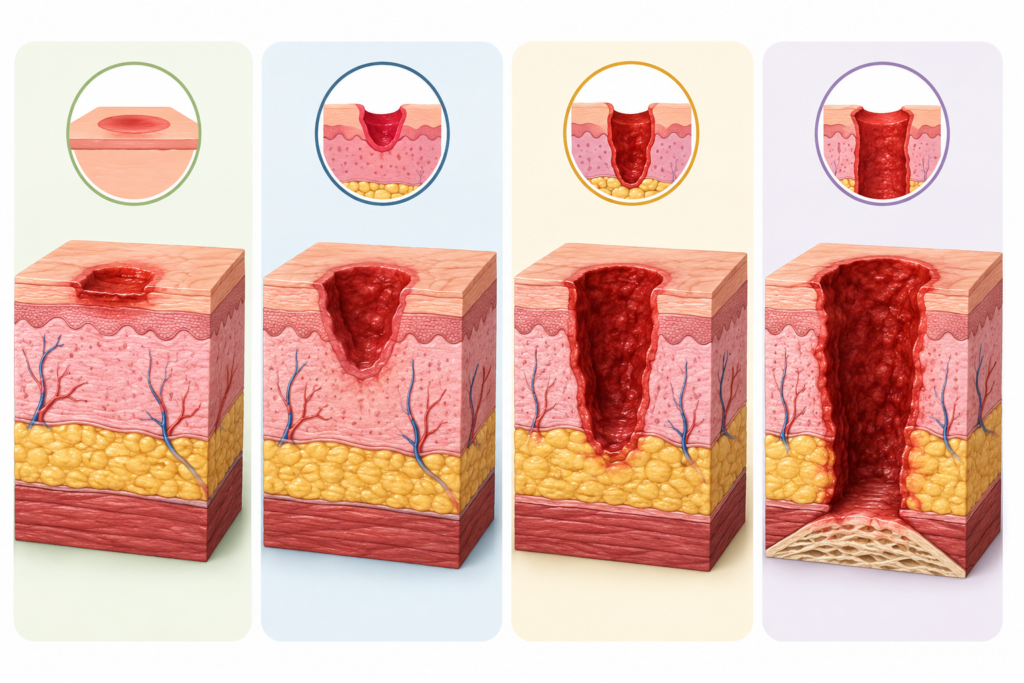
Depth plays a major role when selecting wound care CPT codes.
| Tissue Level | CPT Code |
| Skin only | 97597 |
| Subcutaneous tissue | 11042 |
| Muscle or fascia | 11043 |
| Bone | 11044 |
A provider cannot simply choose a higher level code because the wound appears severe. Documentation must confirm the tissue level actually debrided.
Difference Between CPT 97597 and Surgical Debridement Codes
This area creates confusion for many Medical Billing teams.
| Feature | CPT 97597 | Surgical Debridement Codes |
| Debridement Type | Selective | Excisional |
| Tissue Removal | Surface tissue | Deeper tissue |
| Complexity | Lower | Higher |
| Documentation | Detailed | More extensive |
The distinction often determines reimbursement levels and audit outcomes.
Wound Dressing CPT Code Considerations
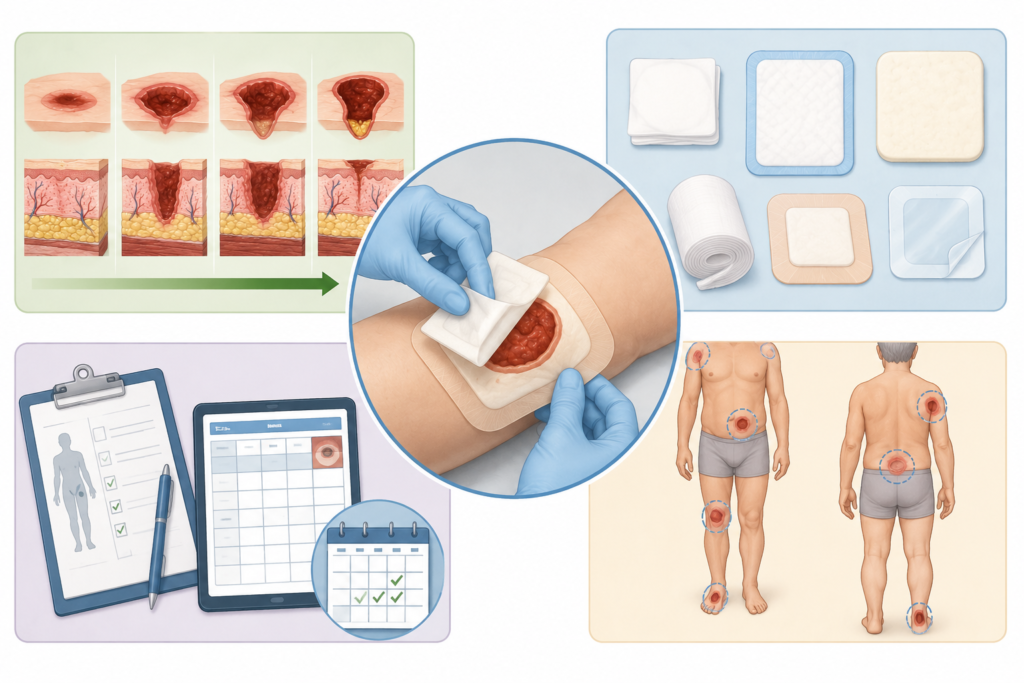
Many providers ask about a wound dressing CPT code.
Routine dressing changes are often considered part of overall wound management and may not be separately reimbursable.
Separate payment depends on:
- Payer policy
- Clinical circumstances
- Documentation support
- Place of service
Before billing any wound dressing service, always review payer specific guidelines.
Common Conditions Requiring Wound Care Services
Healthcare providers frequently perform wound treatment for:
- Diabetic ulcers
- Pressure ulcers
- Venous ulcers
- Arterial ulcers
- Surgical wounds
- Traumatic injuries
- Burns
Each condition must demonstrate medical necessity for the reported wound care CPT code.
How Medical Billing Teams Handle Wound Care Claims
Successful Medical Billing requires more than assigning a code.
Billing professionals must verify:
| Billing Element | Importance |
| Diagnosis coding | Supports necessity |
| CPT selection | Supports reimbursement |
| Documentation | Prevents denials |
| Modifiers | Ensures claim accuracy |
| Payer policy | Prevents rejections |
Strong coordination between providers and coders creates cleaner claims.
Common Wound Care Coding Mistakes
Several mistakes repeatedly appear during audits.
Incorrect Measurement Reporting
Providers sometimes estimate wound size rather than document actual measurements.
Missing Tissue Depth
The record may identify a wound but fail to describe tissue removed.
Incomplete Procedure Notes
Lack of procedural detail often leads to payer questions.
Unsupported Medical Necessity
Claims must demonstrate why treatment was clinically required.
Incorrect Code Selection
Selecting a code based only on wound appearance can result in reimbursement problems.
Wound Size Calculation Guidelines
Wound size affects code assignment.
Most providers calculate:
Length × Width = Surface Area
Example:
| Length | Width | Surface Area |
| 4 cm | 5 cm | 20 sq cm |
Accurate measurements support proper coding and reimbursement.
Multiple Wounds and Coding Challenges
When treating multiple wounds, coding becomes more complex.
Providers should document:
- Individual wound location
- Separate measurements
- Tissue depth
- Treatment provided
Medical Billing staff must determine whether wound measurements can be combined based on coding guidelines and payer requirements.
Importance of Medical Necessity
Medical necessity remains one of the biggest factors affecting payment.
Payers expect documentation showing:
- Delayed healing
- Infection risk
- Necrotic tissue
- Functional impairment
- Clinical need for treatment
Without medical necessity, even correctly coded claims may be denied.
Compliance Tips for Wound Care Billing
Healthcare organizations can reduce compliance risk by following several best practices.
| Compliance Strategy | Benefit |
| Internal audits | Detect errors early |
| Staff education | Improves coding quality |
| Documentation reviews | Supports claims |
| Regular payer updates | Reduces denials |
| Coding validation | Improves compliance |
These strategies strengthen revenue cycle performance.
Reimbursement Factors for Wound Care CPT Codes
Payment varies based on:
- Geographic location
- Payer contract
- Facility type
- Service complexity
- Documentation quality
Accurate coding alone does not guarantee payment. Complete documentation remains equally important.
How Technology Improves Wound Care Coding
Modern healthcare organizations increasingly use technology to improve coding accuracy.
Common tools include:
- Electronic health records
- Coding software
- Documentation templates
- Revenue cycle platforms
- Audit tools
Technology helps Medical Billing teams identify potential issues before claim submission.
Best Practices for Accurate Wound Care Billing
Healthcare organizations that consistently receive proper reimbursement often follow a structured process.
Document Thoroughly
Every procedure note should clearly explain the service provided.
Verify Measurements
Always record actual wound dimensions.
Support Medical Necessity
Connect clinical findings to treatment decisions.
Review Payer Policies
Coverage requirements differ among payers.
Conduct Routine Audits
Regular audits help identify coding trends and billing weaknesses.
Final Thoughts
Accurate wound care CPT code selection plays a major role in successful Medical Billing operations. Whether reporting CPT 97597, advanced debridement services, or other wound care procedure codes, proper documentation remains the key to reimbursement success.
Healthcare providers and billing professionals must work together to ensure wound measurements, tissue depth, medical necessity, and procedural details are clearly documented. When coding practices align with documentation and payer expectations, organizations can reduce denials, improve compliance, and strengthen revenue cycle performance.
A strong understanding of wound care coding helps healthcare practices protect revenue while maintaining high quality patient care and regulatory compliance.
Frequently Asked Questions
1. What is the most commonly used wound care CPT code?
CPT 97597 is one of the most commonly reported wound care CPT codes for selective wound debridement involving the first 20 square centimeters.
2. What documentation is required for CPT 97597?
Documentation should include wound measurements, tissue removed, instruments used, medical necessity, treatment details, and patient response.
3. What is the difference between CPT 97597 and 11042?
CPT 97597 generally applies to selective debridement, while 11042 is used when debridement reaches subcutaneous tissue.
4. Are wound dressing services billed separately?
In many situations routine dressing changes are included in overall wound management. Separate reimbursement depends on payer guidelines and documentation.
5. Why do wound care claims get denied?
Common reasons include missing documentation, unsupported medical necessity, inaccurate measurements, incorrect code selection, and payer specific billing issues.